What Happens When You Develop Excess Fluid in Your Foot? Understanding the Causes and Warning Signs
Veins in the legs contain small valves that help blood travel upward toward the heart.
When these valves weaken or become damaged, blood can collect in the lower legs. This condition is known as chronic venous insufficiency.
Common symptoms include:
Swelling around the ankles and feet.
A feeling of heaviness or aching in the legs.
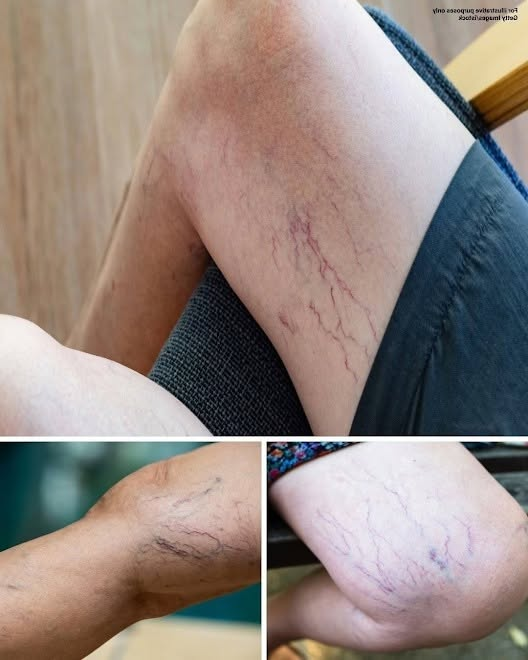
Varicose veins.
Itching or irritation around the lower legs.
Skin discoloration, particularly near the ankles.
Skin thickening in more advanced cases.
Over time, chronic venous insufficiency can contribute to skin damage and venous ulcers, which are wounds that may heal slowly.
Treatment depends on the severity of the condition and may include walking, leg elevation, compression therapy when medically appropriate, and treatment of the underlying vein problem.
3. Heart-Related Conditions
The heart plays a central role in circulating blood throughout the body.
When certain heart conditions impair its ability to pump blood effectively, pressure can increase in the veins, allowing fluid to accumulate in the legs and feet.
Swelling associated with heart failure often affects both legs and may be accompanied by other symptoms, including:
Shortness of breath.
Unusual fatigue.
Difficulty breathing when lying flat.
Rapid weight gain caused by fluid accumulation.
Reduced ability to perform normal activities.
These symptoms require medical attention. New or worsening swelling accompanied by severe breathlessness, chest pain, fainting, or confusion requires emergency care.
Foot swelling alone does not establish that someone has heart disease, but persistent swelling should be assessed in the context of other symptoms and medical history.
4. Kidney Problems
The kidneys help regulate the body’s fluid and salt balance.
When kidney function becomes impaired, the body may retain excess sodium and water. This can cause swelling in the feet, ankles, legs, and sometimes around the eyes.
Other possible signs of kidney disease include changes in urination, unusual fatigue, nausea, and high blood pressure.
Some people with early kidney disease have few noticeable symptoms. Therefore, unexplained or persistent swelling may warrant blood tests, urine tests, and a medical examination.
Reducing salt intake may help some people with fluid retention, but people with suspected kidney problems should receive individualized advice rather than attempting aggressive fluid or dietary restrictions on their own.
5. Liver Disease and Low Blood Protein
The liver produces albumin, a protein that helps keep fluid inside blood vessels.
Certain liver conditions can reduce albumin production and contribute to fluid accumulation. Increased pressure in the veins supplying the liver may also cause fluid to collect in the abdomen and sometimes the legs.
Possible symptoms include abdominal swelling, jaundice, easy bruising, and persistent fatigue.
Liver disease is only one possible explanation for these symptoms, and diagnosis requires appropriate medical assessment.
6. Medication Side Effects
Certain medications can cause swelling in the feet and ankles.
Examples include some blood pressure medicines, particularly calcium channel blockers such as amlodipine, as well as certain anti-inflammatory medicines, corticosteroids, and other drugs.
Medication-related swelling does not necessarily mean that the medication is damaging the organs. Nevertheless, a healthcare professional should evaluate new or persistent symptoms.
Do not stop a prescribed medication or change its dose without discussing it with the prescribing clinician.
7. Injury, Infection, or Inflammation
An injury to the foot or ankle can cause localized swelling as the body responds to damaged tissues.
Sprains, fractures, and other injuries may produce pain, bruising, warmth, and difficulty bearing weight.
Infections can also cause swelling, redness, warmth, and tenderness. Some infections are accompanied by fever or rapidly spreading redness.
A hot, red, painful foot, especially when accompanied by fever or a wound, requires prompt medical assessment.
People with diabetes, reduced sensation in their feet, or poor circulation should be particularly careful because injuries and infections may progress without producing obvious early symptoms.
8. Blood Clots
A blood clot in a deep vein, known as deep vein thrombosis, can obstruct blood flow and cause swelling.
It commonly affects one leg and may produce pain, tenderness, warmth, or changes in skin color.
Not every clot causes all these symptoms, and a clot cannot be reliably ruled out by appearance alone.
Sudden swelling in one leg, especially when accompanied by pain or warmth, requires urgent medical evaluation.
If leg swelling occurs with sudden shortness of breath, chest pain, coughing up blood, or fainting, seek emergency medical care immediately because a clot may have traveled to the lungs.