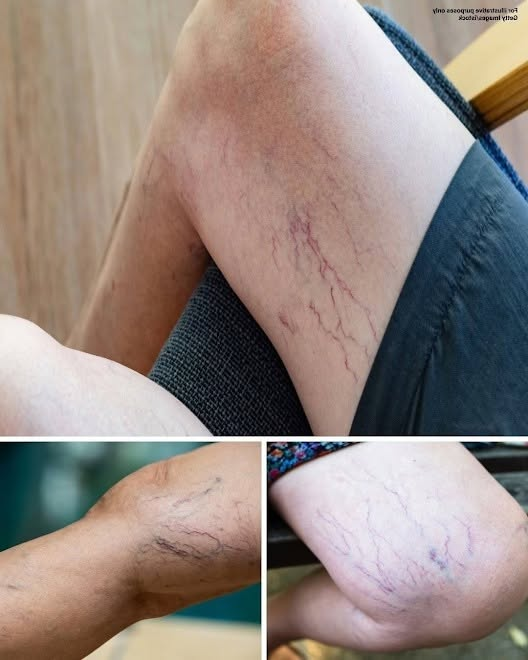
What Happens When You Develop Excess Fluid in Your Foot? Understanding the Causes and Warning Signs
Swelling is a symptom rather than a diagnosis. Its significance depends on why it occurs, how quickly it develops, and whether other symptoms are present.
In mild cases, excess fluid may resolve when the underlying trigger disappears.
In more serious cases, persistent fluid accumulation can stretch the skin, cause discomfort, interfere with walking, and increase the risk of skin breakdown.
When swelling is associated with poor circulation or lymphatic dysfunction, tissues may become chronically inflamed. The skin can become thicker, discolored, or more vulnerable to wounds.
If fluid accumulates because of heart, kidney, or liver disease, the swelling may indicate a broader problem with the body’s ability to regulate circulation or fluid balance.
This is why treating the cause is more important than simply trying to make the swelling disappear.
Can Fluid Actually Leak Through the Skin?
In some severe cases of edema, the pressure of accumulated fluid can become high enough for fluid to seep through the skin. This is sometimes called weeping edema.
The affected area may appear swollen, shiny, stretched, or blistered. Clear or pale-yellow fluid may leak from small breaks in the skin.
However, this is not a normal consequence of ordinary foot swelling.
Weeping edema can occur with severe venous insufficiency, lymphatic problems, or other conditions that cause substantial fluid accumulation. Because leaking skin is vulnerable to infection and delayed healing, it should be assessed promptly by a healthcare professional.
Do not press deeply into swollen tissue, puncture blisters, or attempt to drain fluid yourself.
Keep any leaking area clean, protect it with a clean, non-stick dressing, and seek medical advice. Urgent assessment is particularly important if the area becomes increasingly painful, red, hot, or foul-smelling, or if fever develops.
How Can You Reduce Mild Foot Swelling Safely?
If swelling is mild, occurs after prolonged sitting or standing, and is not accompanied by warning signs, several simple measures may help.
Elevate Your Feet
When resting, raise your feet above the level of your heart if comfortable and practical.
This position can help fluid return from the lower extremities toward the central circulation.
Use pillows to support your legs and avoid positions that cause pain, numbness, or breathing difficulties.
If elevating your legs makes you short of breath, stop and seek medical advice, particularly if you have a heart or lung condition.
Move Regularly
Movement activates the calf muscles, which help push blood back toward the heart.
Try taking short walking breaks throughout the day. If you cannot walk comfortably, gentle ankle movements may help maintain circulation.
Avoid remaining seated or standing in one position for prolonged periods whenever possible.
Reduce Excess Salt
A diet high in sodium can contribute to fluid retention in some people, particularly those with certain heart, kidney, or liver conditions.
Limiting heavily salted processed foods and preparing more meals from fresh ingredients may help support fluid balance.
However, dietary changes alone cannot correct every cause of edema.
Wear Comfortable Footwear
Tight shoes and socks can worsen discomfort and may place additional pressure on swollen tissues.
Choose footwear that accommodates the current size of your feet without rubbing or compressing the skin.
If your feet are significantly swollen, avoid shoes that create pressure points or blisters.
Ask About Compression Garments
Compression stockings may help certain people with venous insufficiency or other causes of leg swelling.
However, they are not appropriate for everyone. People with significant arterial circulation problems, certain heart conditions, or particular skin problems may need an alternative approach.
Consult a healthcare professional before beginning compression treatment, especially if the swelling is new, unexplained, or affecting only one leg.
Avoid Self-Prescribing Diuretics
Diuretics, sometimes called water pills, help the body remove excess salt and water through urine.
They are useful for certain medical conditions but are not appropriate for every type of edema. Taking them without medical supervision can cause dehydration, low blood pressure, electrolyte disturbances, and kidney problems.
The correct treatment depends on the cause of the swelling.
When Should You See a Doctor?
Arrange a medical assessment if your foot or ankle swelling persists, repeatedly returns, gradually worsens, or has no clear explanation.
You should also seek prompt medical advice if swelling occurs alongside skin changes, wounds, unusual fatigue, changes in urination, or other new symptoms.
Seek urgent evaluation for sudden swelling in one leg, particularly when pain, redness, or warmth is present.
Seek emergency care if swelling is accompanied by severe shortness of breath, chest pain, coughing up blood, fainting, or other signs of a potentially life-threatening problem.
A healthcare professional may examine your feet and legs, review your medications, and assess your circulation. Depending on the findings, testing may include blood work, urine tests, an ultrasound examination, or heart-related investigations.
Not everyone with swollen feet needs every test. The evaluation should be guided by the symptoms and suspected cause.
The Importance of Protecting Your Foot Health
Your feet support your body throughout the day, and changes in their appearance can sometimes provide useful clues about your overall health.
Mild swelling after prolonged standing is common and often temporary. Persistent, unexplained, painful, or rapidly developing swelling deserves greater attention.
The dramatic image of fluid escaping from a foot should not be interpreted as proof of a particular disease. It is an illustration of a possible severe manifestation of fluid accumulation, not a diagnosis.
The most effective approach is to recognize changes early, avoid unsafe home treatments, and seek medical care when symptoms warrant it.
Remember: Swelling is a sign that something may be affecting fluid balance, circulation, or the tissues of the foot. Identifying the underlying cause is the key to choosing the right treatment and protecting your long-term health.