If You Think You’re Having a Heart Attack While Home Alone, Do This Immediately
There is a very specific medical circumstance in which coughing has sometimes been used temporarily: a patient with a particular dangerous heart rhythm who is conscious and continuously monitored in a medical setting.
That’s completely different from being alone at home with chest pain.
The American Heart Association’s resuscitation guidance says cough CPR should not routinely be performed and warns that it can delay effective treatment.
A Heart Attack Is Not the Same as Cardiac Arrest
This distinction is extremely important.
Heart attack
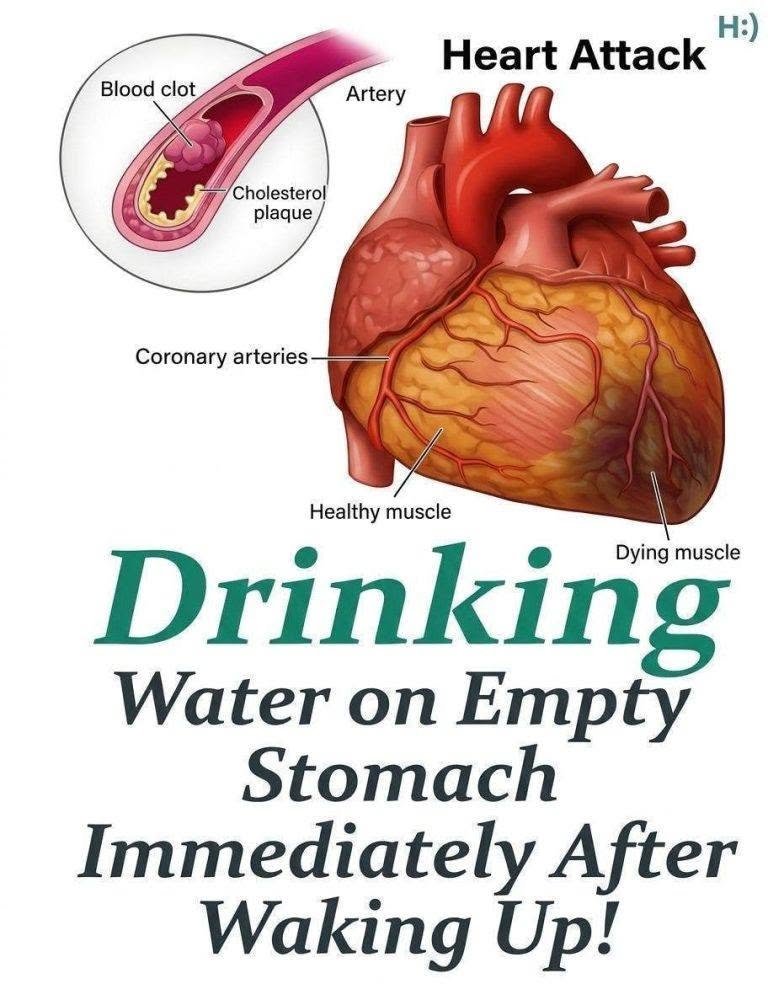
A heart attack occurs when blood flow to part of the heart muscle becomes blocked.
The heart usually continues beating.
Cardiac arrest
Cardiac arrest occurs when the heart suddenly stops effectively pumping blood because of an electrical problem.
The person typically becomes:
Unresponsive
Unconscious
Not breathing normally, or only gasping
A heart attack can sometimes lead to cardiac arrest, but they are not the same emergency.
What If You Collapse?
This is where CPR becomes critical.
If a person becomes unresponsive and isn’t breathing normally, emergency services should be called immediately and Hands-Only CPR should begin.
The American Heart Association recommends two basic actions for an adult who suddenly collapses:
Call emergency services.
Push hard and fast in the center of the chest.
If an automated external defibrillator (AED) is available, it should be used as soon as possible.
What If You’re Completely Alone?
Being alone can make a suspected heart attack particularly frightening.
The key is to avoid wasting precious time on complicated actions.
A simple sequence is:
1. Recognize the possibility
Don’t assume serious chest pressure is merely indigestion or anxiety.
2. Call emergency services
Make the call immediately.
3. Put the phone on speaker
This allows you to communicate while following instructions.
4. Sit and rest
Avoid unnecessary exertion.
5. Follow the emergency operator’s instructions
Tell them your symptoms and any relevant medical information they request.
6. Follow their advice about medication
If aspirin is appropriate in your situation, they can help guide you.