The Beetroot Upgrade: What Really Happens to Your Body When You Eat Beets?
11. What About Eating Beets Every Day?
For most healthy people, including beets regularly as part of a varied diet is reasonable.
You don’t need enormous quantities.
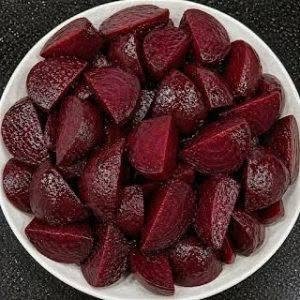
A serving of roasted, boiled or steamed beetroot can simply take the place of another vegetable.
You can add beets to:
Salads
Grain bowls
Soups
Roasted vegetable dishes
Sandwiches
Hummus
Vegetable plates
The important thing is dietary variety.
Eating beets doesn’t mean you should stop eating other vegetables.
12. A Note About Kidney Stones
Beets contain oxalates, naturally occurring compounds found in many plant foods.
For people who have been advised by a healthcare professional to follow a low-oxalate diet because of certain types of kidney stones, large amounts of beetroot may not be appropriate.
That doesn’t mean everyone needs to avoid beets.
Dietary advice should depend on the person’s medical history and the type of kidney stone involved.
If you’ve previously had calcium oxalate kidney stones, it’s worth discussing your overall diet with your healthcare professional rather than eliminating foods based on social-media lists.
13. Don’t Stop Blood-Pressure Medication Because of Beets
This deserves special attention.
If you take medication for hypertension, beetroot should be considered a food, not a substitute for prescribed treatment.
Studies investigating beetroot juice have generally examined it as a dietary intervention, and the size of the blood-pressure effect varies considerably.
Stopping medication suddenly can be dangerous.
If you’re interested in adding beetroot or beetroot juice to your routine while taking blood-pressure medication, discuss it with your healthcare professional, particularly if you already have low blood pressure or take several medications that affect blood pressure.
14. A Simple Way to Eat More Beets
You don’t need an elaborate recipe.
Try roasted beetroot with:
Olive oil
Black pepper
A small amount of salt
Lemon juice
Fresh herbs
You can also combine sliced cooked beets with leafy greens, beans, nuts and a protein source to make a satisfying meal.
For a simple salad, combine:
Beets + cucumber + leafy greens + a little olive oil + lemon juice.
The natural sweetness of beetroot pairs surprisingly well with acidic ingredients such as lemon or vinegar.
15. What Happens Inside Your Body After Eating Beets?
There isn’t one single “beetroot effect.”
Instead, several things happen.
You digest the food and absorb its nutrients.
The carbohydrates and other nutrients provide energy.
Fiber moves through the digestive tract.
Nitrate enters a biological pathway involving nitrite and nitric oxide.
Plant pigments and other compounds are metabolized.
And your body uses the nutrients according to its needs.
Over time, regularly eating vegetables such as beetroot can contribute to an overall dietary pattern associated with better health.
That’s much more realistic than expecting one serving to transform your body.
The Bottom Line on the “Beetroot Upgrade”
Beetroot deserves its reputation as a nutritious vegetable.
Research suggests that its naturally occurring nitrate can have meaningful effects on blood pressure and certain types of exercise performance, although the benefits vary between individuals and circumstances. (PubMed)
Whole beets also provide fiber, folate, potassium and colorful plant compounds.
But they are not a miracle cure, detox treatment or replacement for medical care.
The best way to think about beetroot is simple:
It’s a nutrient-rich vegetable that can be part of a healthy diet, with some particularly interesting evidence surrounding blood-vessel function and exercise performance.
And if your urine or stool turns reddish after eating them, don’t panic—the beetroot may simply be showing you just how powerful those natural pigments can be.